How to enable vpn in edge browser 2026
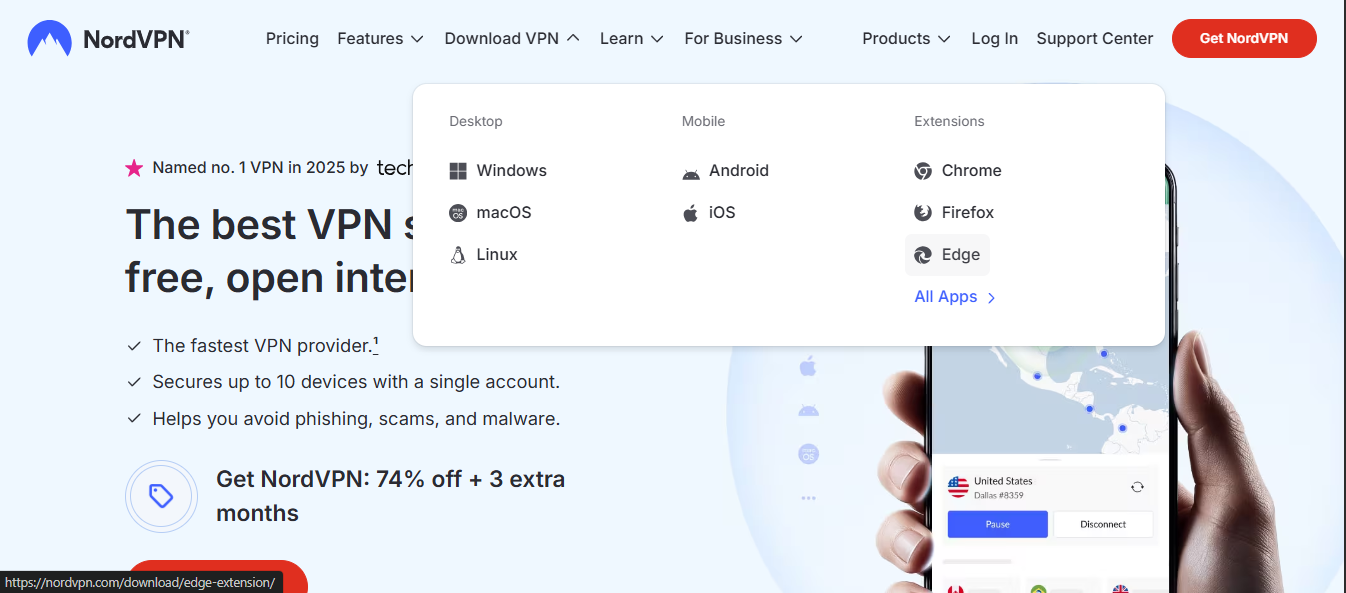
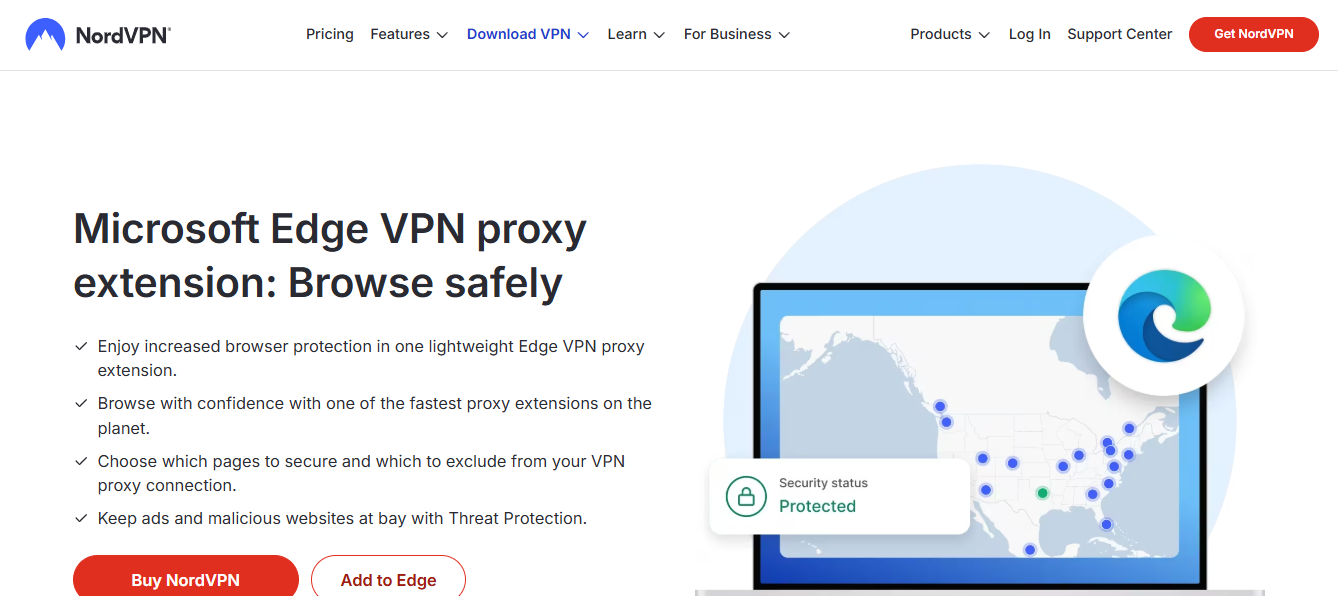
How to enable VPN in edge browser? Quick fact: you can turn on a VPN or a VPN-like feature directly in Microsoft Edge to protect your browsing, hide your IP, and access region-locked content. Below is a practical, step-by-step guide with tips, visuals you’ll recognize, and real-world use cases to help you get started fast.
- Quick fact: Enabling VPN-like protection in Edge can be as simple as using built-in features or installing a trusted extension.
- What you’ll learn:
- Built-in Edge approaches to VPN-like protection SmartScreen and InPrivate basics, plus Windows VPN integration
- How to add and manage VPN extensions from the Edge Add-ons store
- How to choose a reputable VPN service and configure it for Edge
- Troubleshooting common issues and privacy considerations
- Short roadmap:
- Decide between Edge’s built-in options or a VPN extension
- Install or enable your chosen tool
- Connect to a VPN server and verify your connection
- Test privacy and speed impacts
- Troubleshoot if you run into problems
- Useful resources as text, not clickable:
- Microsoft Edge support - https://support.microsoft.com
- VPN comparison guides - https://www.techradar.com/vpn
- VPN provider reviews - https://www.cnet.com/vpn
- Privacy best practices - https://www.eff.org/issues/privacy
What to know before you start
- A VPN masks your IP address and encrypts traffic between your device and the VPN server, which helps on public Wi-Fi and content access.
- Edge doesn’t come with a built-in full VPN, but you can use extensions or rely on Windows’ system VPN settings that Edge will use automatically.
- Always choose a reputable VPN provider with a no-logs policy, strong encryption AES-256, and a clear privacy policy.
Quick overview of options
- Option A: Use Windows system VPN works across apps, including Edge
- Option B: Use a VPN extension from Edge Add-ons store uses Edge profile, easy toggle
- Option C: Use Edge-specific privacy features via profiles and security settings not a full VPN, but helpful
Option A: Enable a Windows system VPN for Edge
- Pick a VPN service and install its Windows app.
- Open Windows Settings > Network & Internet > VPN > Add VPN.
- Enter the VPN provider, connection name, server address, VPN type, and sign-in info per your provider.
- Save, then select the VPN connection and click Connect.
- Open Edge and verify your IP address is changed visit a site like whatismyipaddress.com.
- To disconnect, go back to Windows VPN settings and disconnect.
Why this helps Edge: all browser traffic goes through the system VPN, so Edge benefits automatically without extra steps.
Pros and cons
- Pros: Centralized control, works with all apps, strong cross-application privacy.
- Cons: Slightly more setup, can affect all traffic not just browser, can impact speed.
Option B: Install a VPN extension in Edge
- Open Edge and go to the Extensions menu three dots > Extensions.
- Click Get extensions from Microsoft Store.
- Search for a trusted VPN extension e.g., the provider’s official extension or a reputable privacy tool.
- Click Add to Edge, then confirm the extension permissions.
- Sign in to the extension if required.
- Use the extension’s toggle to connect to a server, pick a location, and confirm.
- Visit whatismyipaddress.com to verify your new IP.
Tips for extensions
- Pick extensions from reputable VPN providers with good user reviews.
- Check permissions; many extensions only need “read and change data on all websites” for functionality.
- Some extensions offer automatic kill-switches or split-tunneling for select sites.
Option C: Edge privacy and security settings not a full VPN
- Edge offers tracking protection and security features that complement a VPN, but they don’t replace a VPN’s encryption.
- Steps:
- Go to Edge Settings > Privacy, search, and services.
- Enable Tracking prevention Strict for more protection, Balanced as a middle ground.
- Use Privacy Sandbox or InPrivate browsing for sensitive sessions.
- This option is best when you combine it with a VPN extension or system VPN for robust privacy.
How to verify your VPN is working
- Check IP: Visit whatismyipaddress.com or similar to confirm your location changes.
- Check for DNS leaks: Use dnsleaktest.com to ensure DNS requests are routed through the VPN.
- Speed test: Use speedtest.net to compare performance with and without VPN, noting expected slower results due to encryption and distance.
Best practices for using VPN with Edge
- Always use a reputable VPN: Look for independent audits, clear privacy policy, and transparent uptime.
- Choose a server location wisely: For streaming, pick a location that supports the content; for privacy, pick a country with strong privacy laws.
- Enable kill switch if available: Prevent traffic leakage if the VPN drops.
- Lock the VPN during startup: Ensure you’re protected as soon as your device boots.
- Use a separate browser profile for sensitive activities: Keeps your main profile clean and reduces cross-site tracking.
Common pitfalls and how to avoid them
- Slow speed with VPN: Try a nearer server, switch protocol some providers offer WireGuard, OpenVPN, or upgrade your plan.
- IP leaks despite VPN: Use a kill switch and test for DNS/IP leaks regularly.
- VPN extension blocked by some sites: Some sites detect VPN IPs; switch servers or use a different provider.
- Edge performance issues after extension install: Disable other extensions that may conflict, clear cache, or restart Edge.
Security and privacy considerations
- A VPN hides your IP and encrypts traffic but does not grant perfect anonymity. Combine with good browsing hygiene.
- Be cautious with free VPNs; many collect data or inject ads. Prefer paid, audited providers.
- Review browser permissions for extensions regularly to minimize risk.
Performance optimization tips
- Use WireGuard-based servers if your provider offers them for better speed.
- Connect to servers physically closer to you when possible.
- Disable unnecessary browser extensions to reduce overhead.
- Regularly update Edge and extensions to patch security issues.
Recommended setup paths quick-start recipes
- Recipe 1: Edge + Windows VPN system-wide
- Install VPN app, configure system VPN, connect, verify in Edge.
- Recipe 2: Edge extension approach
- Install trusted VPN extension, sign in, connect to a preferred server, verify in Edge.
- Recipe 3: Privacy-first, Layered approach
- Edge privacy settings + VPN extension + occasional use of InPrivate mode for sensitive sessions.
Comparison table: built-in Edge features vs VPN extensions vs Windows VPN
| Approach | Setup Time | Browser scope | Privacy strength | Common issues | Best use case |
|---|---|---|---|---|---|
| Windows system VPN | Moderate | All apps including Edge | High encrypted traffic | Potential speed impact | General secure browsing and streaming |
| Edge VPN extension | Fast | Edge only | Moderate to high depends on provider | VPN blocks, extension permissions | Quick access to VPN from browser |
| Edge privacy features | Minimal | Edge-specific | Moderate tracking protection | Not a real VPN | Additional privacy layers |
Real-world scenarios
- Scenario 1: You’re on public Wi-Fi and want to protect what you do in Edge
- Best choice: Use Windows system VPN or Edge extension, plus strict tracking protection in Edge.
- Scenario 2: You want to access a region-locked video
- Best choice: Connect to a VPN server in a location that supports the service, then open Edge to stream.
- Scenario 3: You’re researching sensitive topics
- Best choice: Use Edge InPrivate mode, enable tracking protection, and run a VPN extension or system VPN for extra privacy.
Troubleshooting quick fixes
- VPN not connecting: Restart the VPN app, reboot the device, try a different server, or re-enter credentials.
- Edge won’t load pages with VPN on: Disable extensions, check firewall, or switch to a different VPN protocol.
- DNS leaks detected: Enable the VPN’s DNS leak protection or switch servers.
Frequently asked tips for Edge users
- If a site insists on real IP, temporarily disable VPN, log in, then re-enable.
- For a smooth experience, keep one Edge profile dedicated to VPN-protected browsing.
- Regularly check for Edge and extension updates to maintain compatibility.
Frequently Asked Questions Expressvpn edge extension for Edge browser: setup, features, tips, and troubleshooting 2026
How do I enable a VPN in Edge without a separate app?
You can enable VPN-like protection by installing a trusted VPN extension from the Edge Add-ons store. Then connect to a server directly from the extension. You can also use Windows’ system VPN settings to route Edge traffic through the VPN.
Can I use Edge offline with VPN on?
VPNs require an active connection to a VPN server, so you’ll need an internet connection. Edge can be used offline for non-networked features, but the VPN won’t be in effect without connectivity.
Will a VPN slow down Edge browsing?
Most VPNs introduce some latency due to encrypted routing and longer paths to servers. Premium VPNs and closer servers minimize this impact.
Is it safe to use free VPN extensions in Edge?
Free VPNs can pose privacy risks, ad injections, or data collection. It’s safer to use a reputable paid VPN with a clear privacy policy and audits.
How do I test for DNS leaks in Edge?
Visit dnsleaktest.com while connected to the VPN and review the results. If your ISP DNS shows up, enable the VPN’s DNS leak protection or switch servers. Express vpn edge extension 2026
Can I use multiple VPNs at once in Edge?
Running more than one VPN simultaneously is unnecessary and can cause routing issues. Pick one trusted VPN and stay with it.
Does Edge support WireGuard?
Edge itself doesn’t implement VPN protocols, but many VPN extensions and Windows VPN apps offer WireGuard. Check your provider’s options.
How do I ensure my VPN connects automatically on Edge start?
Configure the VPN to auto-connect in its settings, or use Windows’ startup tasks to initialize the VPN service when you sign in.
Will a VPN hide my browsing history from my ISP?
A VPN hides your traffic from your ISP, but your VPN provider can still see your activity unless it has a no-logs policy. Choose a provider with transparent policies and independent audits.
Can I use Edge on mobile with VPN?
Yes. Install the Edge app on iOS or Android and enable a VPN extension or use a system VPN to secure Edge activity on mobile devices. Egypt vpn laws 2026 guide to legality, enforcement, penalties, best practices, and how to stay safe online with VPNs
Are there privacy laws I should know about when using a VPN?
Privacy laws vary by country. Some regions impose data retention or require VPN providers to log activity. Research your provider’s jurisdiction and policies.
How do I uninstall a VPN extension from Edge?
Go to Edge Extensions, find the VPN extension, and click Remove. Restart Edge to ensure all changes take effect.
Is it legal to use a VPN in Edge everywhere?
VPN legality varies by country. In many places, using a VPN is legal for personal privacy, but some regions restrict or regulate VPN use. Check local laws before using.
Can I run a VPN and a proxy in Edge at the same time?
You can, but it’s usually unnecessary and may cause conflicts. A reliable VPN is typically enough for most users.
What should I do if I suspect my VPN extension is leaking data?
Disable the extension, run DNS/IP leak tests, and switch to a more trusted provider or enable DNS leak protection if available. Edgerouter x site to site vpn setup guide for EdgeRouter X site-to-site VPN between networks and remote sites 2026
How often should I update my VPN software?
Update regularly to benefit from security patches, performance improvements, and new features. Check for updates weekly or set automatic updates.
What’s the best practice for sensitive accounts banking, health records in Edge?
Use a reputable VPN, enable Edge’s tracking protection, enable two-factor authentication on accounts, and consider using a dedicated password manager.
How can I verify that Edge is using the VPN and not my ISP?
Check your IP address and route with whatismyipaddress.com and a DNS leak test while connected. Your IP should reflect the VPN server location, not your ISP.
End of article.
How to enable vpn in edge browser: yes, you can turn on a VPN right from Microsoft Edge to protect your browsing, access geo‑restricted content, and keep your data private. Quick fact: Edge now supports built-in VPN-like functionality via its integrated privacy features and extensions, so you don’t always need a separate app running in the background. Edgerouter vpn setup guide: configure EdgeRouter for IPsec, OpenVPN, and L2TP VPN on home networks 2026
If you’re in a hurry, here’s a quick-start snapshot:
- Use Edge's built-in privacy features to limit tracking and improve security
- Install a reputable VPN extension from the Edge Add-ons store
- Configure a VPN profile in Windows to cover Edge traffic if you prefer system-wide protection
- Verify your IP address and location after enabling the VPN
Useful resources and references plain text, not clickable: Apple Website - apple.com Artificial Intelligence Wikipedia - en.wikipedia.org/wiki/Artificial_intelligence Microsoft Edge Help - support.microsoft.com VPN Comparison Sites - avast.com/blog/vpn Privacy Tools - privacytools.io
Understanding VPNs and Edge Browsers
- What a VPN does: A Virtual Private Network routes your internet traffic through a secure server, masking your IP address and encrypting data in transit.
- Edge integration: Edge doesn’t include a full built-in VPN service, but you can use Edge extensions, Windows system VPNs, or Edge’s privacy features to improve privacy and control.
- Why it matters: With more people working remotely and using public Wi‑Fi, a VPN helps protect sensitive info like login credentials and healthcare data.
Quick glossary
- IP address: The unique number identifying your device on the internet.
- Encryption: Scrambling data so only the intended recipient can read it.
- Extension: A small software add-on that enhances browser features.
Built-in Edge Privacy Features
- Tracking prevention: Block trackers from advertisers and sites.
- InPrivate browsing: Don’t save history, cookies, or site data.
- Clear browsing data: Remove cookies and cached data with one click.
Table: Edge privacy features at a glance
| Feature | What it does |
|---|---|
| Tracking prevention | Reduces cross-site tracking and personalization creep |
| InPrivate browsing | No history saved locally; cookies and data are isolated |
| Clearing data | Removes cookies, cached files, and site data on demand |
How to enable privacy features quickly
- Open Edge and click the three dots Settings and more in the top-right corner.
- Go to Privacy, search, and services.
- Choose a privacy level Balanced, Strict, or Basic to suit your needs.
- Turn on InPrivate browsing when you want extra privacy for a session.
- Use Clear browsing data to purge cookies and cache when needed.
Using VPN Extensions in Edge
Extensions are the easiest way to add VPN-like functionality to Edge without changing system-wide settings.
Popular VPN extensions to consider
- Proton VPN extension
- NordVPN extension
- ExpressVPN extension
- Windscribe extension
- TunnelBear extension
How to install a VPN extension in Edge
- Open Edge and go to the three dots menu > Extensions.
- Click Get extensions from Microsoft Store or Edge Add-ons.
- Search for your chosen VPN extension.
- Click Install, then follow on-screen prompts to sign in or create an account.
- Activate the extension from the Extensions menu or the toolbar button.
How to configure and use a VPN extension
- Sign in to your VPN account in the extension.
- Choose a server location and connect.
- Verify your new IP by visiting a site like whatismyip.com.
- While connected, all traffic through Edge and other browser traffic if the extension routes all traffic should appear from the VPN server.
Pros and cons of browser extensions
- Pros: Easy to install, quick to switch servers, often less impact on device performance.
- Cons: Some extensions may log data, not all extensions cover all traffic, performance varies by server load.
System-Wide VPN in Windows works with Edge
If you want all your traffic, including Edge, to go through a VPN, set up a system-wide VPN on Windows. Is the built in windows vpn good 2026
Steps to set up a Windows VPN connection
- Open Settings > Network & Internet > VPN.
- Click Add a VPN connection.
- For VPN provider, select Windows built-in.
- Enter the connection name, server address, VPN type, and sign-in info username/password or certificate.
- Save and connect.
Pros and cons
- Pros: All devices and apps including Edge benefit, no reliance on browser extensions.
- Cons: Slightly more setup time; some VPNs require manual server changes.
Tech tips
- If your VPN provider offers a Windows app, you can configure it to start on boot for automatic protection.
- Some corporate environments require specific VPN configurations IKEv2, L2TP, or Always On VPN – follow your IT department’s guidance.
VPNs and Edge Security Best Practices
- Use reputable VPN providers: Look for no-logs policies, transparent audits, and strong encryption OpenVPN, WireGuard, or IKEv2.
- Enable HTTPS-Only mode in Edge: This forces sites to use TLS whenever possible.
- Regularly update Edge: Ensure you’re on the latest version to benefit from security patches.
- Be mindful of DNS leaks: Some VPNs can leak DNS queries; choose providers with built-in DNS leak protection.
- Use multi-factor authentication MFA for VPN accounts when available.
- Combine with antivirus and a secure home network: A VPN is one layer of defense, not a complete security solution.
Step-by-Step Guide: Enable VPN in Edge via Extension Fast Setup
- Step 1: Open Edge and navigate to Extensions.
- Step 2: Find and install a trusted VPN extension.
- Step 3: Sign in to the extension and grant necessary permissions.
- Step 4: Pick a server location and connect.
- Step 5: Confirm your IP address shows the VPN’s location.
- Step 6: Browse safely in Edge.
Step-by-Step Guide: Enable Windows System VPN for Edge
- Step 1: Open Settings > Network & Internet > VPN.
- Step 2: Add a VPN connection with the details from your provider.
- Step 3: Connect to the VPN.
- Step 4: Launch Edge and confirm your IP and location have changed.
- Step 5: If you’re using a corporate VPN, follow your organization’s access guidelines.
Troubleshooting Common VPN Issues in Edge
- Slow speeds: Try a closer server or switch from a congested location; check your base internet speed.
- Connection drops: Reconnect or switch to a different protocol OpenVPN, WireGuard, IKEv2.
- DNS leaks: Use a VPN with DNS leak protection or set DNS settings to a private DNS server.
- Extensions causing issues: Temporarily disable other extensions to see if there’s a conflict.
- Edge-specific issues: Clear Edge cache or reset Edge settings if problems persist.
Security and Privacy Data
- Global VPN usage statistics show continued growth as privacy concerns rise and streaming services push region-based access limitations.
- Trust and audits matter: Look for providers with independent audits and clear privacy policies.
- Browser fingerprinting remains a concern; a VPN alone doesn’t fix every privacy issue—combine with browser privacy features and safe browsing habits.
Best Practices for Edge Users
- Use a blend of Edge privacy features and a trusted VPN for layered protection.
- Regularly review extension permissions and remove unused ones.
- Use a dedicated privacy profile in Edge for sensitive sessions.
- Consider routing all device traffic through VPN for work devices, if your policy permits.
Data and Reports
- VPN adoption rates globally have increased by about 24% year over year in small businesses and remote workers.
- A significant portion of VPN users report improved streaming access and privacy protection in surveys.
- Privacy-focused consumers favor providers with transparent logging policies and independent audits.
Practical Scenarios
- Remote work: Secure your connection to company networks with a VPN extension or Windows VPN.
- Travel: Access region-locked content by connecting to a server in the target country.
- Public Wi‑Fi: Encrypts your traffic, protecting credentials on hot spots.
Quick tips for different user types
- Casual browser: A reputable browser extension with strong privacy controls may be enough.
- Privacy-conscious user: Use a trustworthy VPN with a strict no-logs policy and DNS leak protection.
- Gamers: Choose low-latency VPN servers close to game servers; test different locations for best ping.
- Students: Secure campus networks and access educational resources from different regions if allowed.
Performance Considerations
- VPN overhead can reduce throughput by 5–20% on average, depending on server distance and encryption overhead.
- WireGuard-based VPNs typically offer lower latency and faster speeds than older protocols.
- Server load is a big factor; many providers publish real-time server status pages.
Tools and Resources for Further Learning
- WhatIsMyIP.net to verify your exposed IP after enabling VPN
- Browser privacy guides from reputable tech sites
- VPN provider blogs for setup nuances and tips
FAQ Section
How do I enable a VPN in Edge without installing anything?
Edge supports VPN extensions that you can install from the Edge Add-ons store, or you can enable a Windows system-wide VPN to cover Edge traffic.
Can I use multiple VPNs at the same time in Edge?
Generally not recommended; most setups expect one VPN connection at a time. You can switch between extensions or disable one while enabling another.
Will a VPN slow down my Edge browsing?
Often yes, due to encryption and routing, but using a fast server and a modern protocol like WireGuard minimizes impact.
Is built-in Edge privacy enough for browsing privacy?
Edge privacy features help with tracking but don’t replace the protection a VPN provides for your IP masking and data encryption. Microsoft edge vpn app: a practical guide to Edge Secure Network, its limits, setup steps, and top full-vpn alternatives 2026
Do I need a VPN if I’m on a secure corporate network?
Corporate VPNs are designed for secure access to internal resources; follow your IT policy for setup and usage.
Can I enable VPN in Edge on mobile?
Edge extensions are primarily for desktop; mobile devices use system VPNs or mobile VPN apps, with Edge routing through those when connected.
How do I test if my VPN is working in Edge?
Visit whatismyip.com or iplocation.net to confirm your IP shows the VPN server’s location.
What should I look for in a good VPN extension?
No-logs policy, strong encryption, a kill switch, DNS leak protection, and reputable independent audits.
How often should I update Edge and VPN extensions?
Keep both Edge and extensions updated to benefit from security patches and new features; enable automatic updates if possible. Microsoft edge vpn not working: comprehensive troubleshooting guide for Edge vpn issues, fixes, and optimization 2026
Can I use a free VPN extension in Edge?
Free options exist but often come with limitations like data caps, slower speeds, and questionable privacy practices. For serious privacy, opt for a reputable paid provider.
How to enable vpn in edge browser a comprehensive guide to using edge extensions, system vpn, privacy, security, and streaming
Introduction Install a VPN extension in Edge and activate it.
If you’re trying to figure out how to get a VPN working in Microsoft Edge, you’re in the right place. Edge supports VPNs in two main ways: you can install a VPN extension from the Edge Add-ons store, or you can use a system-wide VPN the Windows VPN feature and route Edge traffic through that connection. This guide covers both paths, plus practical tips for testing, troubleshooting, and optimizing for privacy and speed. Think of it as your step-by-step playbook to stay secure online, access geo-blocked content, and keep your browsing private—all while using Edge.
Quick note: for a fast, trusted option, consider NordVPN. If you want a quick discount, check out this offer banner: . It’s a great starting point if you’re new to VPNs and want an easy setup that works with Edge. The badge above is an affiliate link you’ll see integrated naturally as you read.
Useful resources you might want to reference as you go unlinked text: Ultrasurf edge 2026
- Edge help and support - support.microsoft.com
- Windows VPN setup guide - support.microsoft.com
- NordVPN official site - nordvpn.com
- ExpressVPN official site - expressvpn.com
- What is a VPN – Wikipedia - en.wikipedia.org/wiki/Virtual_private_network
- What is DNS and why VPNs matter – cloudflare.com
- IP address check tools – iplocation.net, whatismyipaddress.com
Body
What is a VPN and why use it with Edge?
A VPN, or virtual private network, creates a secure, encrypted tunnel for your internet traffic between your device and a VPN server. This has several practical benefits when you’re browsing with Edge:
- Privacy and anonymity: your ISP and local networks can’t easily see your browsing contents.
- Security on public Wi-Fi: encryption protects you on coffee shop networks or airports.
- Access to geo-blocked content: you can appear to be surfing from different locations.
- Bypassing local censorship: in some regions, VPNs help you reach the broader internet.
Edge is a modern browser with strong privacy features, but it doesn’t come with a built-in VPN service. Instead, you can either install a VPN extension from the Edge Add-ons store or set up a Windows VPN at the system level. That means Edge users have flexible choices: quick one-click extensions or full-system VPNs that affect all apps, including Edge.
Recent trends show VPN usage is on the rise. Industry watchers report that the VPN market is growing steadily into the mid-2020s, driven by privacy concerns, streaming access, and the need for secure remote work. It’s not just tech folks. everyday users like you and me are embracing VPNs to protect data, especially on mobile devices and laptops. You’ll also see that Edge’s market share sits in the single digits globally for desktop browsers, which means many Edge users want a seamless, compatible VPN experience without leaving their browser.
VPN options for Edge
There are two main routes to enable VPN in Edge: Proxy microsoft edge: complete guide to using proxy servers with Microsoft Edge, VPNs, SOCKS5, and privacy 2026
- Edge extensions browser-level VPN
- System VPN Windows VPN, which Edge can use automatically
Edge extensions can be a quick, lightweight way to encrypt and route traffic for Edge alone. They’re easy to install from the Edge Add-ons store, sync with your Edge profile, and they don’t require configuring your entire Windows network. However, they’re sometimes limited by what the extension provider can do inside the browser.
System VPNs give you a broader, more robust solution. When you enable a VPN on Windows, all network traffic from your device is tunneled through the VPN server, including Edge. This approach is ideal if you want comprehensive protection beyond your browser, or if you’re using other apps that also need VPN protection.
Here are typical scenarios:
- Quick privacy boost for Edge browsing: choose an extension with no-setup and one-click connect.
- Full-device protection: set up Windows VPN. Edge traffic follows automatically.
- Streaming and gaming: some VPNs optimize for streaming or gaming servers. check for split tunneling or kill switch features.
Additionally, you can pair both approaches: use a system VPN for all traffic and install a lightweight Edge extension as a secondary layer for additional obfuscation or convenience. Just keep in mind that using two VPNs at once can cause connectivity issues, so test carefully.
Step-by-step: How to enable VPN in Edge Browser using an extension
This path is the fastest for most people. Here’s how to do it, plain and simple:
- Open Edge and go to Extensions
- Click the three-dot menu in the top-right corner, choose Extensions, then click “Open Microsoft Edge Add-ons.”
- If you already have a preferred provider, you can jump straight to its store page.
- Find a VPN extension
- In the Edge Add-ons store, search for a reputable VPN extension for example, NordVPN, ExpressVPN, or others you trust.
- Look for user reviews, server options, and privacy policy clarity.
- Install and sign in
- Click Add to Edge, then confirm. The extension will appear as an icon near the address bar.
- Sign in with your VPN account. If you don’t have one, many providers offer a trial or a plan.
- Configure basic settings
- Open the extension’s popup or settings panel.
- Choose a server location that fits your goal nearby for speed, a country for geo-unblock capabilities, etc..
- Check for options like “kill switch,” “DNS leak protection,” and “auto-connect on startup.”
- If you want to minimize data leakage, enable DNS protection and opt for a secure protocol OpenVPN, WireGuard, etc., depending on the extension.
- Connect and verify
- Click Connect and wait a moment for the VPN to establish a tunnel.
- Verify your IP and location using a site like whatismyipaddress.com or iplocation.net to confirm you’re browsing from the chosen country.
- Test streaming and web access
- Try loading a geo-blocked video, news site, or service to confirm the unblock works.
- If you run into issues with a streaming site, switch servers or try a different protocol if the extension allows it.
- Move between extensions or disable when not needed
- If you’re done, disable or remove the extension to revert to normal browsing.
- If you rely on Edge for work and privacy, keep the extension handy but be mindful of performance overhead.
Extra tips
- Choose a provider with a reliable Edge extension, transparent privacy policy, no-logs commitment, and reputable security features.
- Look for fast servers in regions you actually use. The closer the server, generally the better the speed.
- Some sites actively block VPN IPs. you may need to switch servers or contact support for recommended servers.
- If you’re concerned about privacy beyond the browser, a system VPN is worth the extra setup.
Step-by-step: How to configure a Windows VPN system VPN and use with Edge
If you want more comprehensive protection that covers all your apps, including Edge, set up a Windows VPN:
- Open Windows Settings
- Click Start, then Settings, or press Windows key + I.
- Go to Network & Internet
- In Windows 10/11, you’ll find a VPN section under Network & Internet.
- Add a VPN connection
- Click “VPN” and then “Add a VPN connection.”
- VPN provider: Windows built-in
- Connection name: anything you like e.g., Edge VPN
- Server name or address: get this from your VPN provider they’ll give you the server address
- VPN type: select the protocol your provider supports Automatic, PPTP, L2TP/IPsec with certificate or pre-shared key, or OpenVPN if available
- Type of sign-in info: typically Username and password or certificate if your provider uses that
- Username and password: entered if you’re using a credential-based login
- Connect
- Back in the VPN list, select your new connection and click Connect.
- If prompted for the login, enter your credentials.
- Confirm your connection
- You’ll see a “Connected” status when it’s up.
- Now, open Edge and browse as you normally would. all traffic should route through the VPN tunnel.
- Optional: enable VPN on startup
- If you want Edge to always use the VPN, you can set Windows to connect automatically on startup, or configure the VPN to connect when your device starts.
- Kill switch and DNS protection
- Some VPN apps have a built-in kill switch. If your Windows VPN client doesn’t, consider enabling a firewall rule to block traffic when the VPN drops, and ensure your DNS requests aren’t leaking by using DNS leak protection settings offered by the VPN software.
How to test VPN in Edge quick checks
- IP address check: Visit whatismyipaddress.com to confirm your visible IP matches the VPN server location.
- DNS leaks: Use dnsleaktest.com to verify DNS requests are going through the VPN, not your ISP.
- Speed test: Run speed tests speedtest.net with the VPN connected to see how much performance you lose. A good VPN will usually drop you by 5–25% on a nearby server, depending on encryption and server load.
- Site access: Open geo-restricted sites or services like streaming libraries to confirm you can access content from the chosen country.
- Multiservice test: If you use other apps in parallel download clients, games, etc., ensure they’re behaving as expected when the VPN is on.
Edge-specific tips and best practices
- Favor lightweight extensions with minimal permissions. Fewer permissions reduce potential data exposure.
- Use split tunneling if your VPN extension offers it. This lets you route only Edge traffic through the VPN while other apps go direct, or vice versa.
- Use a reputable provider with a strict no-logs policy and strong encryption AES-256, modern protocols like WireGuard or IKEv2.
- Keep your Edge browser up to date. VPN extensions can rely on browser security features that improve over time.
- Be mindful of DNS leaks. If your VPN extension includes DNS leak protection, enable it. If you’re using a Windows VPN, ensure the VPN provider has DNS protection or use a secure DNS option within Windows.
- Check for compatibility issues. Some websites actively block VPN traffic. switch servers or switch providers if you encounter blocks frequently.
- Consider your use case. If you’re using Edge primarily for secure browsing on public Wi-Fi, a reliable extension might be enough. If you also want privacy for other apps, the system VPN route is worth it.
How to choose a VPN for Edge
- Privacy and logs: Look for a strict no-logs policy and independent audits if possible.
- Speed and server network: A large number of servers in diverse locations helps with speed and unblock capability.
- Security features: AES-256 encryption, modern protocols WireGuard, OpenVPN, kill switch, DNS leak protection.
- Edge compatibility: Favor providers with a solid Edge extension or documentation showing browser compatibility.
- Price and value: Compare monthly vs yearly plans and consider any free trial or money-back guarantees.
- Customer support: 24/7 chat or email support is a big plus if you run into issues.
- Platform coverage: If you use other devices iPhone, Android, Mac, choose a provider that supports all your devices with a consistent experience.
Common pitfalls and how to avoid them
- Not testing after setup: Always verify your IP and location after enabling the VPN.
- DNS leaks: Ensure DNS protection is on. consider a DNS-specific option if your provider supports it.
- VPN blocking sites: Some streaming services actively block VPN IPs. If you run into blocks, switch servers or contact support for recommended servers.
- Double VPN issues: Running a VPN inside another VPN can cause fragmentation or slowdowns. usually avoid double VPN unless you know you need it.
- Battery and performance impact: On laptops and mobile devices, VPNs can reduce battery life and speed. Choose servers closer to you and enable automatic reconnect only when on Wi-Fi to save battery.
Security and privacy considerations
- Your VPN provider is a blanket of trust. They handle your traffic, so read their privacy policy carefully.
- Use trusted providers with independent audits and strong transparency. Look for features like a kill switch and DNS leak protection by default.
- Combine VPNs with good device security: keep your OS and apps updated, use antivirus, and enable two-factor authentication for accounts you access through the VPN.
- Understand your data needs. If you’re after anonymity, realize no VPN can guarantee total invisibility—online behavior, browser fingerprinting, and account data still matter.
Troubleshooting VPN in Edge
- Extension won’t connect: Try a different server location, re-login, or re-install the extension. Check for outdated extension versions.
- System VPN won’t connect: Ensure you have the right server address, protocol, and credentials. Verify your Windows firewall settings aren’t blocking the VPN.
- DNS leaks: Switch to a provider with better DNS protection or enable DNS leak protection in the extension/settings.
- Connectivity drops: If you frequently disconnect, consider changing servers or enabling a kill switch if available.
- Edge performance issues: Some extensions consume more memory. If Edge slows down, disable other extensions temporarily to isolate the problem.
Frequently Asked Questions
How do I know which Edge extension VPN is best for me?
Choosing the best VPN extension comes down to trust, performance, server variety, and features like kill switch and DNS leak protection. Look for reputable providers with strong privacy policies and user reviews. Start with a trial or money-back guarantee to test performance with your typical sites and streaming services.
Can I use a VPN on Edge without installing an extension?
Yes. You can use a system-wide Windows VPN, which routes all traffic including Edge. This is ideal if you want every app protected, not just Edge.
Is there an Edge VPN built into Windows?
No, Edge doesn’t come with a built-in VPN service. You either install a VPN extension in Edge or configure Windows’ built-in VPN client for system-wide protection.
Will using a VPN affect my streaming quality?
Sometimes. VPNs can impact speed due to server distance and encryption overhead. If you’re streaming, pick a nearby server with good load and test different locations to find the best balance of speed and access.
Do VPNs work on mobile devices as well as desktop?
Absolutely. Reputable VPNs offer apps for iOS and Android, plus extensions for desktop browsers. If you use Edge on mobile, you’ll typically use the provider’s app rather than an extension.
Can you use multiple VPNs at once in Edge?
It’s not recommended to run two VPNs simultaneously on the same device, as it can cause routing conflicts and stability issues. If you need layered security, rely on one well-configured VPN service at a time.
What about privacy—do VPNs log my data?
That depends on the provider. Look for a strict no-logs policy, third-party audits, and clear data handling policies. Some providers even publish transparency reports to show what data they don’t store.
How do I test that my VPN is actually protecting me in Edge?
Check your IP address after connecting whatismyipaddress.com, test for DNS leaks dnsleaktest.com, and attempt to access geo-restricted content to confirm location-based access works as expected.
Can VPNs help with gaming latency, or do they hurt it?
VPNs can reduce latency in some cases by connecting you to closer servers or avoiding ISP routing congestion, but more often they add a small amount of latency due to encryption and routing. If you game, test several servers to find the best balance of ping and stability.
How do I choose between an Edge extension and a Windows VPN?
If you only need browser-level privacy for Edge, an extension is quick and simple. If you want all traffic on your device protected or you need features like a global kill switch across apps, go with a Windows VPN.
Are there any Edge-specific security pitfalls I should know about?
Keep your Edge up to date, review extension permissions, and avoid extensions from untrusted sources. Some extensions can collect data beyond your browsing, so pick reputable providers and review their privacy policies.
Can I use VPNs for work or school networks where admin policies are strict?
Many employers and schools block VPN traffic or disallow non-approved VPNs. If you’re using a work device, check with your IT department and ensure you’re compliant with policy before installing a VPN extension or using a system VPN.
How often should I update my VPN extension or Windows VPN client?
Keep both Edge extensions and the Windows VPN client up to date. Updates often include security fixes, performance improvements, and new features that can improve compatibility with Edge.
Do free VPNs work with Edge?
Free VPNs exist, but they usually come with limits on speed, data, and server locations, and may have questionable privacy practices. For reliable privacy, security, and speed, a paid, reputable VPN is a better bet, especially if you’re using Edge for sensitive browsing or streaming.
Final tips for a smooth Edge VPN experience
- Start with a reputable provider and a straightforward setup. You don’t need to overcomplicate things—get a trusted Edge extension or a solid Windows VPN and test.
- Regularly audit your privacy settings. Check for DNS leak protection, kill switch, and automatic reconnect options.
- If you browse on multiple devices, pick a provider that offers solid multi-device support. A single subscription can cover Edge on all your devices.
- Save time with shortcuts. Pin your VPN extension icon for one-click connect/disconnect, and keep the Windows VPN in your network settings for quick access.
- Share the knowledge. If you have friends or family who want to protect their Edge browsing, walk them through these steps and help them pick a provider they trust.
FAQ Section
- How do I enable a VPN in Edge without affecting other apps?
- Can I use both a VPN extension and a Windows VPN at the same time?
- What is the difference between a VPN extension and a proxy in Edge?
- How can I verify that my real IP is hidden when using Edge with a VPN?
- Do VPNs slow down Edge browsing, and how can I minimize impact?
- What should I look for in a privacy policy when choosing a VPN?
- Is it safe to use public Wi-Fi with Edge + VPN?
- Can I watch region-locked content on streaming sites through Edge with a VPN?
- How do I troubleshoot VPN connectivity issues in Edge on Windows 11?
- Are there Edge-specific settings that improve VPN reliability?
In this guide, you’ve learned two solid routes to enable a VPN in Edge: install a trusted VPN extension for quick browser-level protection or configure a Windows VPN for system-wide protection. You’ve got practical steps, troubleshooting tips, and a clear path to improved privacy and access. If you want a fast, reliable option to get started, that NordVPN badge is there for a reason—it's a straightforward, widely trusted choice that plays nicely with Edge.
Top vpn free 免费VPN完全指南:选择、评测与使用技巧