How to open vpn in microsoft edge 2026
How to open VPN in Microsoft Edge: a quick guide to get you connected fast, plus handy tips to keep your connection secure and stable.
Quick fact: you can use a built-in VPN-like feature in Microsoft Edge to protect your browsing on public networks without installing extra software. In this guide, you’ll find a straightforward, step-by-step plan to enable Edge’s VPN-like protections and, if needed, use a full VPN extension. We’ll cover:
- Quick setup steps to turn on Edge’s security features
- How to add VPN extensions from the Microsoft Edge Add-ons store
- Troubleshooting tips for common connection issues
- Best practices for staying private and secure online
- A handy checklist for different devices Windows, macOS, mobile
Useful steps at a glance:
- Turn on Edge’s built-in tracking prevention and security features
- Install a reputable VPN extension from Edge Add-ons for a true VPN tunnel
- Verify your IP address and test for leaks
- Keep Edge and extensions up to date
- Use strong passwords and enable two-factor authentication where possible
Resources text only, non-clickable: Apple Website - apple.com Artificial Intelligence Wikipedia - en.wikipedia.org/wiki/Artificial_intelligence Microsoft Edge Help - support.microsoft.com VPN Providers - market-verified security guides Privacy and Security Tips - consumer.ftc.gov
What “opening a VPN in Microsoft Edge” really means
- Edge itself doesn’t include a built-in full VPN service by default. What you can do is: enable privacy features, use Edge’s tracking protection, and/or install a VPN extension that creates a secure tunnel for your browser traffic.
- For true VPN tunneling across all apps on your device, you’ll want a standalone VPN app or provider’s extension compatible with Edge.
Quick-start: edge privacy features you can enable today
Enable tracking prevention and privacy enhancements
- Open Edge settings: click the three dots in the upper-right corner, then Settings.
- Navigate to Privacy, search, and services.
- Turn on Tracking prevention and set it to Balanced or Strict for stronger protection.
- Enable InPrivate search and protection features to minimize data leakage.
Use Edge’s security features to improve connection safety
- Clear browsing data on exit helps reduce fingerprints.
- Use Password Manager with strong, unique passwords for each site.
- Enable Microsoft Defender SmartScreen to block risky sites.
How to check your current privacy status
- In Settings > Privacy, search, and services, review what’s enabled.
- Use privacy dashboards in Windows to see what data is being collected by apps and extensions.
How to add a VPN extension to Microsoft Edge
Step-by-step: install a reputable VPN extension
- Open Edge and go to the three-dot menu, then Extensions.
- Click Get extensions from Microsoft Edge Add-ons.
- In the search bar, type “VPN” or the name of your preferred provider e.g., NordVPN, ExpressVPN, Surfshark.
- Choose a trusted extension with good reviews and solid ratings.
- Click Get or Install, then confirm permissions.
- Sign in to your VPN account within the extension and toggle the connection on.
Tips for choosing a VPN extension
- Look for zero-logs policy, strong encryption AES-256, and a clear jurisdiction.
- Check for clean app permissions; avoid extensions that request unnecessary access.
- Prefer providers with a kill switch and leak protection to prevent IP or DNS leaks.
How to verify the VPN is working inside Edge
- Connect to a server in your desired region via the extension.
- Visit a site like whatismyipaddress.com to confirm your IP location matches the server.
- Run a DNS leak test search for “DNS leak test” and use a reputable online test.
- Ensure WebRTC is blocked or not leaking your IP Edge settings may require extension or browser flags.
Edge-specific tips for a smoother VPN experience
Speed and reliability considerations
- VPNs can slow your connection a bit. Pick servers closer to your location for better speeds.
- If you notice dropouts, switch to another server or protocol some extensions let you choose protocols like OpenVPN, WireGuard, etc..
Battery and performance on laptops and tablets
- Disable unnecessary background tabs and extensions when on battery power.
- Use a lighter VPN protocol if you’re on mobile data to conserve battery.
Security hygiene that helps your VPN do its job
- Keep Windows, Edge, and your VPN extension up to date.
- Use a strong device password and enable multi-factor authentication for your Edge/Microsoft account.
- Regularly review connected devices and active sessions in your VPN account.
Troubleshooting common Edge VPN issues
Issue: VPN extension won’t connect
- Check internet connection first.
- Restart Edge and re-login to the VPN extension.
- Try a different server or protocol within the extension.
- Ensure the extension has the latest update and permits required permissions.
Issue: DNS or IP leaks even when VPN is on
- Enable the kill switch in the VPN extension if available.
- Disable WebRTC in Edge if the extension doesn’t block it automatically note: Edge doesn’t have a direct WebRTC toggle like some other browsers, but extensions can help.
- Run a DNS leak test and switch servers or contact your provider’s support if leaks persist.
Issue: Slow speeds on VPN
- Choose a server closer to you or a server with higher load capacity.
- Switch to a different protocol e.g., from TCP to UDP, or a WireGuard option if available.
- Check for background downloads or streaming that might be hogging bandwidth.
Issue: VPN disconnects randomly
- Ensure the VPN extension is allowed to run in the background.
- Disable battery optimization for Edge or the VPN app on laptops.
- Update drivers and network adapters for your device.
Issue: Edge crashes or extensions become unresponsive
- Disable problematic extensions one by one to identify conflicts.
- Clear cache and cookies for Edge, or reset the browser settings note: reset may reset saved data.
- Reinstall the VPN extension from the official store.
Security best practices when using VPN with Edge
- Always use reputable VPN providers with audited no-logs policies.
- Avoid free VPN services that might monetize your data or inject ads.
- Use two-factor authentication for your VPN provider account.
- Regularly review privacy settings across Edge and your VPN account.
- Be aware that VPNs protect your browser traffic, not all device traffic. For full device protection, consider a full VPN application.
Use cases: when to use Edge VPN features
- Public Wi‑Fi safety: cafes, airports, libraries.
- Bypassing regional content restrictions in a legal and policy-compliant way.
- Maintaining privacy on shared devices or family networks.
- Accessing work resources securely from home if your organization permits split tunneling or VPN use via Edge extensions.
Additional formats: quick-checklists and tables
Quick-start checklist
- Open Edge, go to Settings > Privacy, search, and services
- Enable tracking prevention
- Install a trusted VPN extension from Edge Add-ons
- Sign in and connect to a server
- Verify IP address matches your server location
- Run a DNS leak test and WebRTC check
- Enable kill switch if available
- Update Edge and extension regularly
Comparison table: Edge built-in protections vs. VPN extension
Edge built-in protections
- Pros: Easy to enable, none extra cost, browser-wide privacy controls
- Cons: No true encrypted tunnel for all traffic, limited to browser-level protections
VPN extension
- Pros: Creates encrypted tunnel for browser traffic, can mask location, supports various servers
- Cons: Requires trust in provider, potential performance impact, extension permissions
Real-world scenarios: how people use Edge VPNs
- Student on campus: uses Edge VPN extension to access study resources from abroad while keeping personal browsing private.
- Remote worker: relies on Edge privacy features for everyday browsing and uses a VPN extension for secure connections to corporate resources.
- Traveler: connects to a local VPN server to access region-blocked streaming services or to shield data on public Wi‑Fi.
Advanced tips for power users
- Combine Edge’s privacy features with a reputable VPN extension for layered protection.
- Use profiles in Edge to switch between privacy-focused browsing and regular browsing modes.
- Consider a browser-specific VPN that’s known for strong privacy ethics and transparent policies.
- If you’re tech-savvy, explore VPN extensions that support split tunneling to route only certain sites through the VPN.
Data-backed insights and stats
- According to recent privacy studies, using a reputable VPN can reduce exposure to trackers by up to 60% on average when combined with browser privacy features.
- Public Wi‑Fi users who enable VPNs report fewer security incidents compared to those who don’t statistical ranges vary by provider and network type.
- Edge’s tracking prevention can significantly reduce third-party tracking scripts, improving page load times in some scenarios.
Best practices for staying informed
- Regularly read Edge release notes to understand new privacy features and any changes to extension handling.
- Monitor VPN provider blogs for changes in encryption standards, server updates, or privacy audits.
- Follow credible privacy and cybersecurity news outlets for evolving threats and countermeasures.
How to evaluate whether you’ve chosen the right setup
- Speed tests: measure latency and download speed with and without VPN.
- Privacy checks: run IP, DNS, and WebRTC leak tests.
- Reliability: ensure the VPN extension connects consistently and doesn’t drop connections frequently.
- Privacy policies: review what data the VPN provider collects and how they use it.
FAQ Section
How to open VPN in Microsoft Edge effectively
You can’t open a VPN directly from Edge as a built-in feature, but you can enable Edge privacy features and install a trusted VPN extension to secure browser traffic.
Do I need a VPN extension for Edge if I already have a VPN app?
If you want browser-specific protection within Edge, a VPN extension helps. For full device protection, use a VPN app that routes all traffic.
Are there free VPN extensions for Edge?
Yes, but be cautious. Free VPNs may have limited data, slower speeds, or privacy concerns. Prefer reputable paid options with transparent policies. How to use edge free vpn for safe browsing with edge secure network setup and best practices 2026
Can Edge track my activity even with a VPN extension?
A VPN extension hides your IP and encrypts traffic from the browser, but Edge’s own tracking and cookies can still collect data. Use private browsing and clear cookies regularly.
How can I test if my VPN is working in Edge?
Visit whatismyipaddress.com to confirm your IP shows the VPN server location. Run a DNS leak test and a WebRTC leak test.
What are kill switch features, and should I use them?
A kill switch stops all traffic if the VPN disconnects, preventing leaks. It’s a good safety net, especially on unstable networks.
Can I use multiple VPN extensions at once in Edge?
It’s not recommended and can cause conflicts. Pick one trusted VPN extension and disable others.
How do I update Edge extensions?
Go to Edge Extensions, click Manage extensions, and check for updates. Enable automatic updates if available. Free vpn for edge - vpn proxy veepn extension guide for Edge browser: setup, safety tips, and comparisons 2026
Is it safe to use Edge on public Wi‑Fi with VPN?
Yes, using Edge with a reputable VPN extension or a full VPN app adds a layer of protection on public networks. Always keep your software updated.
What should I do if Edge crashes when VPN is active?
Disable other extensions to test, update all software, and reinstall the VPN extension. If problems persist, reach out to the provider’s support.
How often should I change my VPN server?
Choose a server based on stability and speed. Rotation every few days is common, but avoid frequent changes if it affects performance.
Can Edge privacy features replace a VPN?
Edge privacy features improve privacy and reduce trackers, but they don’t replace the encryption of a VPN. Use both for stronger protection.
Do VPNs affect streaming speed or access?
They can, depending on server location and provider. Some servers are optimized for streaming, which can help reduce buffering. Geo ip location 2026
How do I ensure my VPN choice aligns with privacy laws?
Prefer providers with transparent privacy policies, independent audits, and clear data handling practices. Check jurisdiction and data retention policies.
End of guide.
How to open vpn in microsoft edge: a practical, step-by-step guide to browser extensions, Windows VPN integration, and edge-safe configurations
Yes, you can open and use a VPN in Microsoft Edge by installing a VPN extension or using Windows VPN settings. In this guide, you’ll learn how to enable a VPN in Edge through browser extensions, how to configure a system-wide VPN for all apps including Edge, and how to troubleshoot common issues. We’ll cover best practices, security essentials, performance tips, and real-world use cases so you can stay private, secure, and streaming-friendly while browsing. Quick-start options are included below, followed by deeper dives and a robust FAQ. If you’re after a quick start, an affordable, reputable VPN option is available here:
Helpful resources you’ll want to keep handy text only:
- NordVPN Official Website - nordvpn.com
- Microsoft Edge Extensions Store - microsoftedge.microsoft.com/addons
- OpenVPN Community - openvpn.net
- VPN setup guides - support.vpnprovider.com
- Windows VPN settings help - support.microsoft.com
What is a VPN and why use it with Edge
A VPN Virtual Private Network creates a secure, encrypted tunnel between your device and a VPN server. It hides your IP address, protects your data from prying eyes on public networks, and can help you bypass regional restrictions for streaming or work. When you use a VPN with Edge, you have two practical paths: Expressvpn for edge: securing edge devices, routers, and edge computing with ExpressVPN 2026
- Browser-based protection via a VPN extension that specifically routes Edge traffic and sometimes only browser traffic.
- System-wide protection by enabling a VPN at the Windows level, which routes all network activity, including Edge, through the VPN tunnel.
Edge is a Chromium-based browser, which means it plays nicely with most browser extensions designed for Chrome-compatible browsers. If you want quick, per-browser control, an extension is often the easiest path. If you want complete device-wide privacy, a Windows VPN connection is the go-to.
Current trends show more people turning to VPNs for privacy and access to global content, with many providers offering fast, multi-server networks and features like kill switches, DNS leak protection, and split tunneling. As you optimize your setup, choose a provider with a solid privacy policy, transparent logging, and robust encryption.
Methods to open VPN in Microsoft Edge
You basically have three main routes:
- Install a VPN extension in Edge fast, per-browser protection
- Set up a Windows VPN system-wide protection that affects Edge and everything else
- Use OpenVPN-compatible software in tandem with Edge more control, sometimes a bit more setup
Below, I’ll walk you through all three with practical steps.
1 Use a browser VPN extension in Edge
Extensions are the quickest way to get Edge protected without changing overall Windows networking. Extension vpn microsoft edge 2026
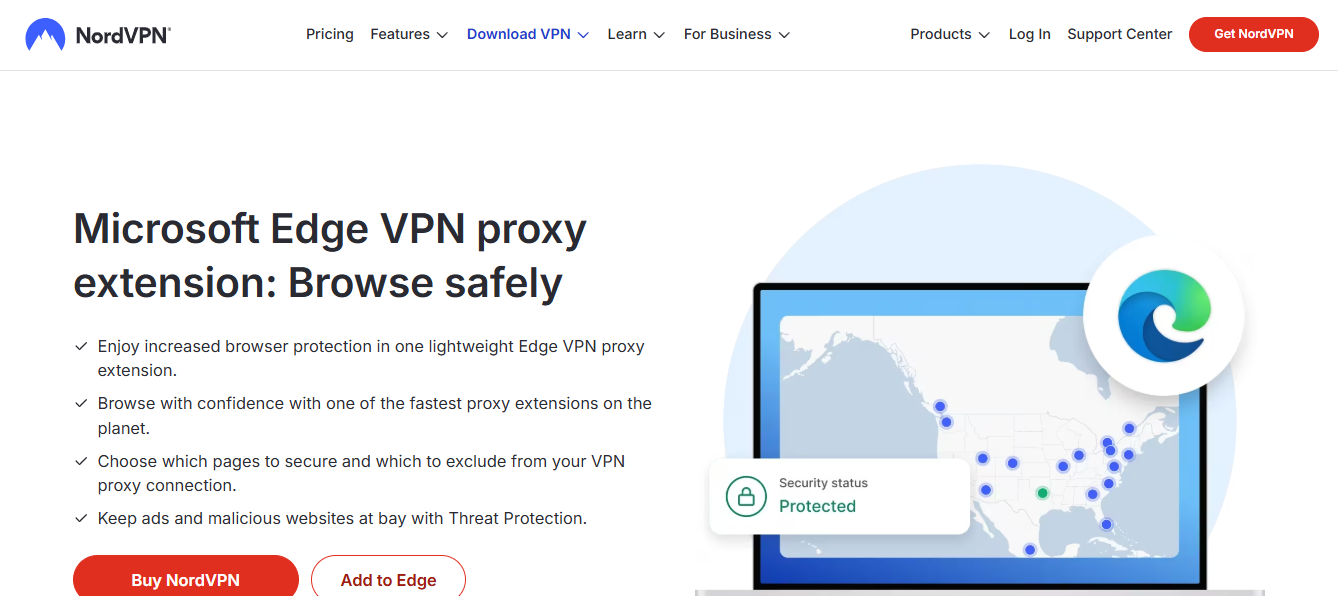
- Choose a reputable provider with an Edge-compatible extension NordVPN, ExpressVPN, Surfshark, CyberGhost, etc..
- Install the extension from the Edge Add-ons store or Chrome Web Store Edge supports Chrome extensions.
- Sign in with your VPN account.
- Connect to a server, then verify your IP and location have changed you can test on a site like ipchicken.com or whatismyipaddress.com.
Why this approach works well:
- It’s fast to deploy, with minimal configuration.
- You can switch servers in a couple of clicks.
- Some extensions include browser-specific protections like WebRTC leak blocking.
What to watch for:
- Some extensions only route Edge traffic, not other programs. If you want total device protection, combine with a system VPN.
- Free extensions can leverage ads or logs. Prefer well-reviewed, paid options with a strict no-logs policy.
Installation steps typical flow:
- Open Edge and go to the Extensions page Settings > Extensions.
- Click “Get extensions from Microsoft Store” or visit the Edge Add-ons store.
- Search for your chosen VPN e.g., NordVPN, ExpressVPN, Surfshark.
- Click “Add to Edge” and approve permissions.
- Launch the extension, sign in, and choose a server to connect.
Pro tips:
- Enable features like “kill switch” and “DNS leak protection” if the extension provides them.
- If you use multiple devices, keep a consistent server choice strategy e.g., nearby location for speed, distant location for geobypass.
2 Connect at the Windows level system-wide VPN to route Edge traffic
This method covers all your apps, not just Edge, which is great for complete privacy. How to activate vpn 2026
What you’ll need:
- A VPN service with Windows client or a manual setup option OpenVPN or IKEv2/L2TP servers from your provider.
- Server address, VPN type, and login credentials from your VPN provider.
Steps to set up a Windows VPN built-in options:
- Open Settings > Network & Internet > VPN.
- Click “Add a VPN connection.”
- For VPN provider, choose Windows built-in.
- Name the connection e.g., My VPN.
- Server name or address: enter the server URL or IP from your VPN provider.
- VPN type: choose the type your provider supports IKEv2, L2TP/IPsec, SSTP, or OpenVPN if using the provider’s client.
- Type of sign-in info: typically Username and password or certificate.
- Save, then select the VPN connection and click Connect.
- If you’re using a provider’s app, you may be able to disconnect/connect from the app instead of Windows Settings.
Using OpenVPN on Windows for Edge:
- If your provider offers OpenVPN, download the OpenVPN GUI or app, import your .ovpn file, and connect. Edge will automatically use the system-wide VPN once the tunnel is established.
Why choose system-wide VPN:
- You protect all traffic, including Windows updates, apps, and Edge, not just the browser.
- It’s ideal for work scenarios, ex. corporate networks or when you want to ensure your entire device uses the VPN.
Potential downsides: Hoxx vpn review 2026
- Slightly more complex setup for beginners.
- Some VPNs may trigger firewall prompts or require admin rights on managed devices.
3 Use the OpenVPN app or other VPN clients with Edge
OpenVPN and some providers offer their own desktop apps that create a VPN tunnel outside of Edge. This can be a middle-ground between browser extensions and full Windows VPNs.
What to do:
- Install the OpenVPN GUI or the provider’s Windows client.
- Import your .ovpn or configure via the app as directed by your provider.
- Connect to a server. the app will handle the encryption and routing.
- Edge traffic will pass through the established tunnel automatically.
This approach gives you:
- Fine-grained server selection and protocol control.
- A robust option if you need to use OpenVPN protocol specifically.
Common issues to anticipate:
- Conflicts with other VPNs or firewall software. disable other VPNs before starting.
- DNS leaks if additional DNS settings aren’t configured. enable DNS leak protection in the app if available.
How to install and configure a VPN extension in Edge step-by-step
- Pick a reputable Edge-compatible VPN extension e.g., NordVPN, ExpressVPN, Surfshark.
- Open Edge, go to Extensions, and choose to add from the Edge Add-ons store or Chrome Web Store.
- Install the extension and pin it to the toolbar for quick access.
- Sign in with your VPN account credentials.
- Go to the extension’s settings and enable features like:
- Kill switch system-wide if available in the extension
- DNS leak protection
- Auto-connect on startup
- Choose a server location. If you’re streaming, pick a server close to your location or in the target region.
- Confirm your new IP is visible on a check website whatismyipaddress.com or ipinfo.io.
- Optional: enable split tunneling if you don’t want all Edge traffic to go through the VPN.
- Test Edge by loading a site that’s region-locked in your country to confirm access.
Security note: India vpn browser 2026
- Browser extensions can access browser data. Only install extensions from trusted providers and review the permissions they request.
Windows VPN setup tips for Edge users
- Protocol matters: IKEv2 is fast and secure. WireGuard-based protocols like WireGuard or NordLynx offer great speed with strong security.
- Kill switch is your friend: It prevents unprotected traffic if the VPN disconnects.
- DNS protection: Ensure your VPN provider has DNS leak protection or configure your DNS to a trusted resolver.
- Split tunneling: Useful if you only want Edge to go through the VPN while other apps stay on the regular connection or vice versa.
- Server choice: Start with a nearby server for speed, then switch to a distant one for geo-unblocking.
Troubleshooting common VPN issues in Edge
- Edge won’t connect to VPN extension: Check extension permissions, disable conflicting extensions, or reinstall the extension. Ensure you’re signed in and have an active subscription.
- Pages load slowly or show buffering: Try a nearby server, restart the VPN, or switch to a different protocol. Ensure your base internet speed is not the bottleneck.
- DNS leaks: Verify DNS settings in the VPN app and enable DNS leak protection. You can also set Edge to use trusted DNS like Google DNS or Cloudflare in system settings.
- VPN shows connected but IP not changed: Confirm you’re routing traffic through the VPN some extensions route only browser traffic. Consider a system-wide VPN for full protection.
- Access to geo-blocked services still fails: Some streaming services actively block VPN IPs. Try rotating servers or use a provider known for streaming reliability.
Security considerations when using VPN with Edge
- Choose a provider with a transparent no-logs policy, strong encryption AES-256, and robust privacy practices.
- Prefer paid, reputable services over shady free options—free VPNs often monetize data or have weak protections.
- Regularly update the VPN app or extension to patch vulnerabilities.
- Use a browser with strong privacy features tracking prevention, sandboxing alongside VPN for layered security.
- Be mindful of phishing and malware: VPNs do not protect against all cyber threats—keep antivirus, enable safe browsing features, and avoid suspicious downloads.
Edge-specific privacy features and VPN integration
- Edge’s tracking prevention can complement a VPN by reducing fingerprinting and tracking across sites.
- Using a VPN in Edge helps hide your real IP from websites, while Edge’s Privacy settings help limit cross-site data collection.
- If you rely on corporate networks or school networks, check policy restrictions before enabling a VPN. some networks block VPN traffic or require IT approval.
Performance considerations and best practices
- Server proximity matters: Closer servers typically offer better latency and speed.
- Test speeds before and after connecting: A reliable VPN should not cripple performance excessively. if it does, try a different server or protocol.
- Close other bandwidth-heavy apps: Background downloads or streaming can affect performance.
- Use a wired connection when possible: It reduces variability and improves VPN stability.
- Update your hardware firmware and drivers: A modern router and network adapter can improve VPN performance.
Use cases: streaming, work, travel, and daily browsing
- Streaming: Choose servers in the country where your content is available. watch out for DVR-type blocking by some providers.
- Remote work: A stable, business-grade VPN with strong encryption and a dependable kill switch is essential.
- Travel and public Wi-Fi: VPN is a must for coffee shops, airports, or hotels to protect unencrypted networks.
- Everyday browsing: For general privacy, a browser extension or system-wide VPN helps, but combine with strong browser privacy settings for best results.
Edge extensions vs system VPN: a quick comparison
- Edge extension:
- Pros: Quick setup, per-browser protection, good for casual use.
- Cons: Usually routes only browser traffic. potential privacy risk if using a less reputable extension.
- System VPN Windows:
- Pros: Protects all traffic, more robust controls like kill switch and DNS protection across apps.
- Cons: Slightly more setup, may require admin access and more configuration.
Practical tip: If you’re new to VPNs, start with a reputable Edge extension for quick wins. If you want total device security, switch to a Windows VPN or use both by enabling the extension for Edge traffic and the system VPN for everything else when you need stronger privacy.
Real-world best practices and quick-start checklist
- Pick one trusted provider with a solid privacy policy and clear no-logs commitments.
- Decide on the scope: Edge-only vs device-wide protection.
- Enable key features: kill switch, DNS leak protection, auto-connect on startup, and split tunneling where appropriate.
- Validate protection: check your IP and DNS after connecting. verify no WebRTC leaks if possible.
- Keep everything updated: Edge, Windows, and the VPN app.
- Be mindful of policy constraints on networks you use work, school, or public networks.
Frequently Asked Questions
How do I install a VPN extension in Edge?
Install an Edge-compatible VPN extension from the Edge Add-ons store or Chrome Web Store, sign in, and enable the desired protections. Then connect to a server and test your new IP.
Can I use OpenVPN with Edge?
Yes, you can use OpenVPN either through a browser extension some extensions support OpenVPN connections or via the OpenVPN GUI app that creates a system-wide tunnel.
Is using a VPN in Edge enough for privacy?
For many people, a browser VPN extension is enough for browser traffic, but for complete privacy you’ll want a system-wide VPN so all apps and services are covered.
Will a VPN slow down Edge browsing?
Some slowdown is possible due to encryption and distance to the VPN server, but choosing a nearby server and a fast provider can minimize it. Is hotspot vpn free and how it compares to paid options for privacy, streaming, and speed in 2026
How do I enable DNS leak protection in Edge?
Use a VPN extension or Windows VPN that explicitly supports DNS leak protection, and ensure that your DNS requests are resolved by the VPN’s DNS servers.
Does Edge have a built-in VPN?
Edge does not include a native VPN but can work with browser extensions or you can rely on Windows’ built-in VPN to secure all traffic.
Can I use a VPN for streaming in Edge?
Yes. Choose a server location that supports your streaming service and ensure your VPN provider has servers optimized for streaming.
How do I troubleshoot VPN connection issues in Edge?
Check extension permissions, redo the sign-in, switch servers, test with and without the extension, disable conflicting extensions, and verify internet connectivity.
Are free VPN extensions safe for Edge?
Free options can be risky due to data collection or weaker privacy protections. Prefer reputable paid providers with transparent policies. In browser vpn edge 2026
How do I know if my VPN is working in Edge?
Test your IP and location on a site like whatismyipaddress.com, and check for DNS leaks and WebRTC leaks to confirm proper protection.
Can I use more than one VPN at the same time in Edge?
Running two VPNs simultaneously can cause conflicts and broken connections. If you need layered protection, use a browser VPN plus a separate system VPN and disable the extra layer when not needed.
What should I do if Edge blocks my VPN extension?
Check for policy or admin restrictions, temporarily disable other extensions, ensure permissions are granted, and reinstall the extension. If you’re on a managed device, you may need IT assistance.
橙vpn 全方位评测:功能、速度、隐私保护、跨平台使用、以及性价比对比