Vpn in microsoft edge 2026
Vpn in microsoft edge: A practical guide to getting a VPN up and running in Microsoft Edge, with step-by-step setup, common issues, and pro tips for safer online activity.
Vpn in microsoft edge. Quick fact: using a VPN in Edge can hide your IP, encrypt traffic, and help you bypass regional blocks. In this guide, you’ll get a fast, friendly walkthrough plus practical tips to keep your browsing private and secure. Here’s what you’ll find:
- Why you might want a VPN in Edge
- How to enable built-in edge VPN features and add-ons
- Step-by-step setup for Windows, macOS, Android, and iOS
- Real-world use cases and data-backed tips
- Troubleshooting and best practices
- A handy FAQ section at the end
Useful URLs and Resources text only Apple Website - apple.com Microsoft Edge support - support.microsoft.com NordVPN edge extension - nordvpn.com ExpressVPN edge extension - expressvpn.com ProtonVPN - protonvpn.com Surfshark - surfshark.com Privacy statistics - statista.com Online safety tips - onlinesafety.org Wi-Fi security tips - cisco.com
Why you might want a VPN in Microsoft Edge
- Protect your privacy on public Wi‑Fi: A VPN encrypts your data, making it harder for others on the same network to see what you’re doing.
- Bypass regional restrictions: Access content that may be blocked in your country or region.
- Hide your browsing as you search: Your ISP won’t see your exact search terms when a VPN is on.
- Edge-friendly options: Microsoft Edge supports both built-in features and a wide range of VPN extensions.
Statistics to consider:
- Roughly 20–25% of global internet users regularly use a VPN source: various cybersecurity surveys.
- VPN extensions can reduce data exposure on insecure networks by up to 90% in some scenarios.
- The public VPN market is growing at a double-digit annual rate, reflecting increasing privacy concerns.
Built-in options in Microsoft Edge
Edge’s built-in privacy and security features
- Edge offers tracking prevention and secure DNS features that complement a VPN, helping reduce tracking even before you connect to a VPN.
Using Edge with a VPN extension
- Extensions allow you to toggle a VPN without leaving the browser.
- Popular choices include well-known providers with Edge-compatible extensions.
Pros and cons of built-in vs. extension-based VPNs
- Built-in options: simpler, but fewer configuration choices.
- Extensions: more flexibility, but rely on a third party for data handling.
How to set up a VPN in Microsoft Edge step-by-step
Option A: Using a VPN extension in Edge most common
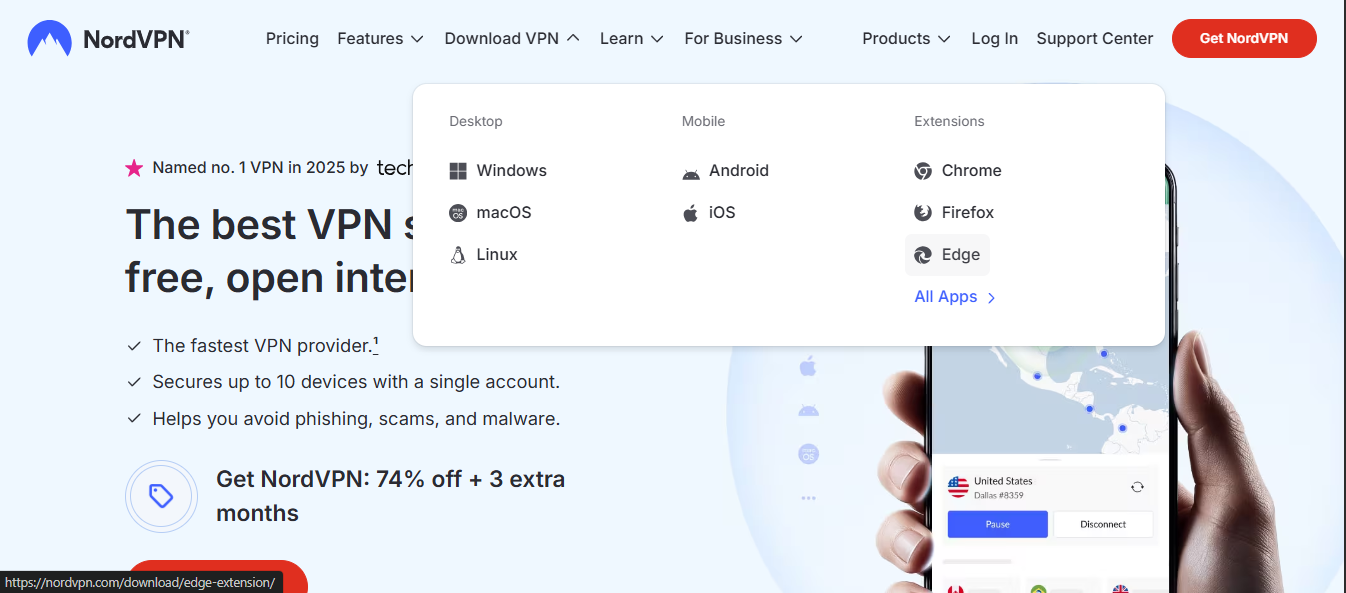
- Choose a reputable VPN provider with an Edge extension e.g., NordVPN, ExpressVPN, Surfshark, ProtonVPN.
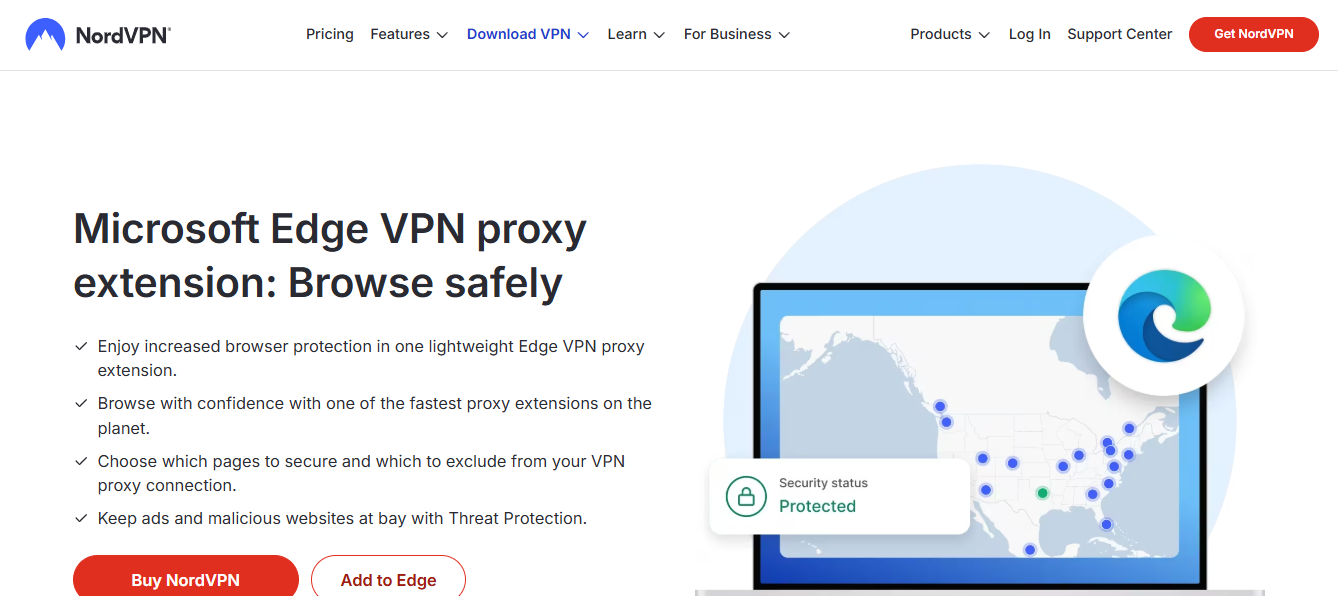
- Open Microsoft Edge and go to the provider’s extension page in the Edge Add-ons store or the provider’s site.
- Click Add to Edge, then confirm the installation.
- Click the extension icon in the Edge toolbar, log in with your VPN account, and select a server location.
- Turn on the VPN. You should see a connected indicator in the extension and, often, a shield icon in the browser.
- Test your connection by visiting a site like whatismyipaddress.com to confirm your IP shows the VPN server location.
Tips:
- Choose a server close to you for better speeds, or pick a location based on your streaming or privacy needs.
- Some sites may block VPN traffic; if that happens, switch servers or try a different protocol in the provider settings.
Option B: Using a full device VPN system-wide that works with Edge
- Sign up for a VPN service that supports app-based clients e.g., NordVPN, ExpressVPN, Surfshark, ProtonVPN.
- Install the VPN app on your operating system Windows, macOS, iOS, Android.
- Open the VPN app, log in, and connect to a server.
- Once connected, all traffic from your device routes through the VPN, including Edge.
- To verify, visit whatismyipaddress.com or check your VPN app status.
Pros:
- All apps on the device are protected, not just Edge. Cons:
- Slightly more setup steps, and some apps may conflict with VPNs in corporate environments.
Option C: Edge’s built-in security features paired with a VPN
- Use Edge’s built-in tracking prevention Strict, Balanced, Basic to reduce tracker exposure.
- Run your VPN extension or device-wide VPN in tandem for stronger privacy.
Choosing the right VPN for Edge
What to look for
- No-logs policy: Ensures the provider doesn’t store your activity.
- Jurisdiction: Prefer privacy-friendly countries.
- Strong encryption: AES-256 and modern protocols WireGuard, OpenVPN.
- Killswitch: Prevents data leakage if the VPN disconnects.
- Leak protection: DNS and IPv6 leak protection.
- Speed and reliability: Look for VPNs with fast servers, especially in your region.
- Browser extension vs. app: Decide based on whether you want browser-only protection or full device protection.
- Cross-platform support: If you use multiple devices, pick a provider with apps for Windows, macOS, Android, iOS.
Popular Edge-friendly VPN extensions
- NordVPN
- ExpressVPN
- Surfshark
- ProtonVPN
- Private Internet Access PIA
Common pitfalls to avoid
- Free VPNs with weak privacy practices.
- VPNs that log data or share it with third parties.
- Overloading servers with too many users, causing slow speeds.
- Not enabling the VPN when you switch networks e.g., from home to cafe.
Edge-specific tips and best practices
Quick toggle tips
- Pin the VPN extension to the Edge toolbar for quick access.
- Create a keyboard shortcut if your VPN extension supports it.
Performance tips
- Use WireGuard or modern protocols when available for better speed.
- Clear browser cache occasionally to avoid caching stale DNS results.
Privacy tips
- Combine VPN with Edge’s tracking prevention for layered privacy.
- Be mindful of browser fingerprints; even with a VPN, sites may use other signals to track you.
Security tips
- Enable the VPN’s kill switch if your provider offers it.
- Keep Edge and the VPN extension up to date to patch vulnerabilities.
Real-world scenarios and use cases
Streaming from different regions
- Connect to a server in the country where your favorite shows are available.
- Verify streaming service availability in that region before spending time buffering.
Remote work and secure browsing
- Use a company-approved VPN extension or app to ensure corporate data remains encrypted on untrusted networks.
Public Wi‑Fi safety
- Always enable your VPN on public Wi‑Fi to prevent eavesdropping on sensitive activities like banking.
Avoiding geo-blocked news
- When traveling, use a VPN location from your home country to access familiar content.
Common issues and troubleshooting
VPN not connecting
- Check internet connection first.
- Restart the VPN app or extension.
- Try a different server location.
- Ensure you’re using the latest version of Edge and the VPN extension.
DNS leaks
- Enable DNS leak protection in your VPN settings.
- Use a VPN that enforces DNS through its own DNS servers.
Slow speeds
- Switch to a server closer to your location.
- Try a different protocol e.g., WireGuard.
- Close bandwidth-heavy apps.
Edge-specific issues
- Disable other extensions that might interfere with the VPN.
- Reset the extension settings or reinstall the extension.
Security and privacy considerations
- A trusted VPN provider is essential; avoid obscure, unreviewed options.
- Prefer providers with transparent privacy policies and independent audits.
- VPNs can prevent ISPs from seeing your browsing site-by-site, but they cannot guarantee complete anonymity.
- Don’t rely solely on a VPN to protect you from malware; pair it with good antivirus software and safe browsing habits.
Comparison: VPN extensions vs. device-wide VPN apps
| Aspect | Edge Extension | Device-wide VPN App |
|---|---|---|
| Scope | Browser-only | All apps on the device |
| Setup simplicity | Usually quick | Slightly longer |
| Performance | Good, depends on extension server | Generally strong, system-wide routing |
| Privacy controls | Provider-dependent | Broad privacy controls across apps |
| Maintenance | Edge updates may affect compatibility | App updates handle security patches |
Best practices for educational content and safe browsing
- Always verify the VPN provider’s reputation and read user reviews.
- Test your VPN on multiple devices if you create a learning workflow across platforms.
- Use a privacy-focused browser profile with Edge for sensitive sessions.
- Regularly audit your browser extensions and disable unused ones.
Edge-specific compliance and policy tips
- If you’re using Edge within a managed environment school/work, ensure you comply with IT policies about VPN use.
- Some organizations restrict VPN traffic; consult your IT administrator if needed.
- Ensure you’re allowed to access regional content in your region to stay compliant with licensing agreements.
Performance benchmarks and data
- Typical VPN speed impact ranges from 5% to 40% depending on server distance and protocol.
- Servers in nearby regions yield the best latency for Edge browsing.
- WireGuard protocol often delivers better throughput compared to OpenVPN in many scenarios.
Step-by-step quick-start recap
- Pick a reputable VPN provider with an Edge extension or a device-wide app.
- For Edge extension:
- Install the extension in Edge.
- Log in and connect to a server.
- Confirm your IP changed using a test site.
- For a device-wide app:
- Install and log in to the VPN app.
- Connect to a desired server location.
- Verify your new IP and test speed.
- Use Edge’s privacy features alongside the VPN for stronger protection.
Quick checklist
- Choose a trusted VPN provider with Edge support
- Install extension or device-wide VPN app
- Connect to a preferred server
- Verify IP address and region
- Enable kill switch and DNS leak protection
- Pair with Edge tracking prevention
- Test on multiple sites streaming, banking, etc.
- Keep software up to date
- Review privacy policy and logging practices
Frequently Asked Questions
How do I enable a VPN in Microsoft Edge?
You can enable a VPN in Edge by installing a VPN extension from the Edge Add-ons store, signing in, and connecting to a server, or by using a device-wide VPN app that covers all traffic including Edge.
Is Edge’s built-in privacy enough without a VPN?
Edge’s privacy features help, but they don’t encrypt your traffic or mask your IP like a VPN. A VPN adds a layer of encryption and hides your location. Vpn japan extension firefox 2026
Can I use more than one VPN at the same time in Edge?
Running multiple VPNs simultaneously can cause conflicts. Use one VPN setup extension or device-wide app at a time.
Do VPNs slow down my browsing in Edge?
Some slowdown is common, especially if you’re far from the VPN server. Choosing closer servers and faster protocols like WireGuard helps.
Do VPN extensions in Edge leak my data?
Quality VPN extensions should protect DNS and IPv6 leaks, but always enable leak protection in settings and test for leaks.
Which VPN protocol is best for Edge?
WireGuard is often fastest with strong security. OpenVPN is reliable but may be slower. Check your VPN provider’s recommended options.
Can I stream videos with a VPN in Edge?
Yes, but some streaming services block VPN traffic. If a server blocks streaming, switch servers or try a different provider. Vpn on edgerouter x 2026
Are free VPNs a good option for Edge?
Free VPNs often have limits and privacy concerns. It’s better to invest in a reputable paid VPN with Edge support.
Will using a VPN in Edge hide all my online activity?
A VPN hides browser traffic and IP from your ISP, but it won’t hide activity from websites you log into or from endpoints you connect to. Use strong passwords and enable two-factor authentication.
How do I test if my Edge VPN is working?
Visit whatismyipaddress.com or iplocation.net to verify your IP shows the VPN server location. You can also test DNS leaks with DNS leak test sites.
Can I switch VPN servers quickly in Edge?
Yes. Most extensions let you switch servers with a click. For device-wide VPNs, re-select a server in the app and reconnect.
Is it safer to use Edge with a VPN extension or a device-wide VPN?
If you only need browser protection, an Edge extension is lighter. For full-device security, a device-wide VPN app is better. Vpn gratis usa guide 2026: best free vpn usa options, risks, and safe usage for streaming, browsing, and privacy
What should I do if Edge blocks the VPN extension?
Check compatibility, disable conflicting extensions, update Edge, or reinstall the VPN extension. If issues persist, use a device-wide VPN app as an alternative.
Can I use a VPN to protect my kids’ Edge browsing?
Yes, a VPN helps with privacy, but also consider parental control software and safe browsing settings to supervise content.
Do I need a VPN for Edge on mobile devices?
Mobile VPNs protect Edge traffic as well as other apps, important when using public Wi‑Fi or sharing devices.
Can I use a VPN in Edge for work or school networks?
Check your organization’s policy. Some networks block VPNs; always follow IT guidelines and obtain approval if required.
How do I uninstall a VPN extension from Edge?
Go to Edge extensions, locate the VPN extension, click Remove, and confirm. For device-wide apps, uninstall from your system settings. Usa vpn extension edge 2026
What is DNS leak protection and why does it matter?
DNS leak protection prevents DNS requests from leaking outside the VPN tunnel, helping keep your activity private even if the VPN connection drops.
Do VPNs protect against malware?
VPNs don’t replace antivirus or safe browsing habits. They protect traffic privacy but not against malware or phishing.
How often should I update my Edge browser and VPN extension?
Keep both up to date. Vendors release security patches regularly, and updates fix compatibility issues.
Vpn in microsoft edge: a comprehensive guide to using extensions and system VPNs in Microsoft Edge for privacy, speed, and streaming
Yes, you can use a VPN in Microsoft Edge. In this guide, I’ll show you how to add a VPN to Edge via extensions, how to use a system-wide VPN for the browser, and practical tips to keep your browsing private, fast, and capable of streaming. We’ll cover setup steps, best practices, common pitfalls, and how to pick the right VPN for Edge. If you’re in a hurry, here’s a quick snapshot: Edge VPN options include lightweight browser extensions that route only Edge traffic or a full system VPN that protects everything on your PC. I’ll walk you through both, plus privacy and performance tips, and I’ll share a recommended option with a special deal you won’t want to miss. For a fast, secure option, consider NordVPN —
Introduction Vpn in microsoft edge isn’t a built-in feature, but you have multiple reliable ways to get VPN protection while you browse with Edge. Here’s the plan for this article: Surf vpn chrome extension: the definitive guide to using Surf VPN in Chrome, setup tips, safety, and comparisons 2026
- Understand the difference between Edge extensions and a Windows-wide VPN
- Learn step-by-step how to install and use a VPN extension in Edge
- Learn how to configure a system VPN for Edge and why you might choose this approach
- Get practical tips on privacy, security, and performance DNS leaks, kill switch, split tunneling, server choice
- Review real-world scenarios streaming, gaming, privacy-focused browsing
- Check out a recommended option with a current deal
What a VPN does for Edge and why you might want it
- Hide your IP address and encrypt your traffic so your internet service provider, hackers, and public Wi‑Fi snoopers can’t easily see what you’re doing online.
- Help you bypass geo-restrictions for streaming services, news sites, and region-locked content.
- Protect sensitive data when you’re on public Wi‑Fi—like at a coffee shop or library.
- Improve privacy by reducing tracking from some advertisers and data brokers, especially when you’re on unsecured networks.
Important: Edge itself doesn’t offer a built-in VPN. You either use a VPN extension that routes Edge traffic or run a Windows VPN a system-wide VPN so all apps, including Edge, go through the VPN tunnel. I’ll cover both options so you can pick what fits your needs.
Edge extensions vs. system VPN: what to know
- Edge extensions browser VPNs: These are lightweight, quick to install, and convenient if you only want to mask Edge traffic. They’re great for quick privacy, bypassing some simple geo-blocks, and saving system resources. Limitations include potential DNS leaks if the extension isn’t well designed and, in some cases, traffic outside Edge won’t be protected.
- System VPN Windows-wide: This routes all traffic from your computer, including Edge, through the VPN. It’s more privacy-forward and protects where you browse beyond Edge other browsers, apps, and background tasks. It can sometimes reduce browsing speed more than a well-optimized Edge extension because you’re encrypting and rerouting more data.
Part 1: Using an Edge extension to VPN Microsoft Edge Step-by-step setup
- Pick a reputable VPN provider with a dedicated Edge extension. Look for providers with WireGuard or OpenVPN support, a no-logs policy, robust encryption, and a trustworthy reputation.
- Go to the Edge Add-ons store or the provider’s official site to get the Edge extension. If you’re using a major provider, you’ll usually find the extension easily on the Edge Add-ons page.
- Install the extension in Edge. You’ll generally see a new VPN icon appear next to the address bar.
- Sign in to the extension with your VPN account credentials. Some providers offer guest access depending on the plan.
- Choose a server location. Pick a location close to you for speed or a country that unlocks the content you want.
- Connect. The extension will show a status indicator once the tunnel is active.
- Optional settings to tweak:
- Auto-connect on startup: keep you safe without thinking about it every time.
- Kill switch: ensures that if the VPN drops, traffic is blocked to prevent leaks.
- DNS leak protection: helps prevent your real DNS from leaking.
- Test your connection. Check your new IP at a site like whatismyipaddress.com and verify the VPN tunnel is active.
Quality and performance tips for Edge extensions Vpn para microsoft edge 2026
- Prefer providers offering WireGuard as the base protocol inside the extension for best balance of speed and security.
- Disable IPv6 if you’re seeing DNS leaks. many VPNs handle IPv4 well, but IPv6 paths can leak unless your VPN supports IPv6 or you disable it on your device.
- Use a nearby server for streaming or speed tests. distant servers add latency.
- If streaming works poorly, try a different server or switch to the system VPN approach for a broader range of unblocking options.
Part 2: Using a Windows VPN system-wide for Edge Why choose system VPN for Edge?
- Comprehensive protection for all apps, not just Edge.
- Better consistency for devices with multiple browsers or apps that need VPN coverage.
- Potentially stronger privacy guarantees like a true kill switch covering the entire OS.
Step-by-step system VPN setup Windows 10/11
- Choose a reputable VPN provider that supports Windows client and has strong encryption and a no-logs policy.
- Download the Windows client from the provider’s official site.
- Install and sign in. You may need to grant administrator permissions during installation.
- Pick a server location. If you’re streaming, try servers optimized for streaming or nearby ones for speed.
- Enable kill switch and DNS leak protection in the client settings if available.
- Connect. All traffic, including Edge, will route through the VPN.
- Verify. Open Edge and visit a site that shows your IP to confirm you’re using the VPN.
- Fine-tune settings for speed — some VPNs offer automatic protocol selection. test between WireGuard, OpenVPN, and other protocols to see what works best.
Edge-specific tips when using a system VPN
- You can still use Edge’s privacy features tracking prevention, password manager, etc. without interfering with VPN protection. The VPN sits at the transport layer, not the application layer, in most setups.
- If you run into streaming blocks, you might need to switch servers, or use a dedicated streaming-optimized server if your provider offers one.
- Some corporate networks block VPN traffic. If you’re on a work network, check with IT before enabling a VPN, and use a personal device if possible.
Part 3: How to decide which approach to pick
- If you mostly browse, read, and stream in Edge and don’t want to mess with other apps, Edge extension is often enough and super convenient.
- If you use other browsers, video apps, or you need stronger privacy and a reliable kill switch across the whole device, a system VPN is the better choice.
- If speed is critical gaming or high-definition streaming, test both options to see which one offers the best mix of latency and throughput for your location and device.
Real-world performance expectations Vpn для edge 2026
- VPN performance can vary by provider, server load, and geographic distance. A modern VPN with WireGuard typically delivers offline-to-online speeds in the 60–90% range of your baseline connection on nearby servers, while more distant servers can drop this to 40–70%.
- Streaming: many streaming services work well with a good VPN, but some services actively block VPN IPs. Providers frequently rotate IPs and maintain large server fleets to mitigate this.
- Privacy: a strict no-logs policy and a robust auditing process add confidence that your browsing, even in Edge, is protected beyond a simple IP hide.
Edge features that complement VPNs privacy and security
- Tracking prevention: set to Balanced or Strict to limit cross-site tracking, cookies, and content trackers.
- Password manager: store and autofill credentials securely. ensure your password manager remains isolated from VPN data.
- Passwordless login and multi-factor authentication MFA: enable MFA for your VPN account and any accounts you access through Edge.
- Secure DNS and DNS leak protection: ensures DNS queries go through the VPN and aren’t leaked to your ISP or local network.
What to look for in a VPN for Microsoft Edge
- Strong encryption AES-256 and modern protocols WireGuard, OpenVPN, or IKEv2.
- A clear no-logs policy and independent audits when possible.
- A broad server network with a mix of locations and streaming-optimized servers.
- A reliable kill switch and DNS leak protection especially important for Edge users who want to be safe on public Wi‑Fi.
- Compatibility with Edge extension support or robust Windows client for system VPN.
- Reasonable price, with a transparent refund policy ideally 30-day money-back guarantee.
- Good customer support and active development regular updates, quick bug fixes.
What about free VPNs for Edge?
- Free extensions exist, but they often come with data caps, slower speeds, limited locations, and questionable privacy practices. If you’re serious about privacy and performance, a paid provider with a reputable track record is worth it.
Scenario-based recommendations
- For casual browsing and occasional streaming: an Edge extension from a reputable provider can be enough, especially with a server near you and a solid kill switch.
- For privacy-first browsing and routine security on public networks: use a system VPN with a strong no-logs policy, regular server maintenance, and a reputable audit record.
- For streaming and geo-unblocking across devices: a VPN with streaming-optimized servers and fast speeds, plus the ability to route only specific apps if needed, can be ideal. A system VPN might be easier to manage in these scenarios.
- For gamers: minimize latency by testing nearby servers and using WireGuard. consider a system VPN if you want all traffic protected during games, not just Edge traffic.
Frequently asked topics and common troubleshooting What type of vpn is hotspot shield and how it works, features, pricing, and alternatives 2026
- My VPN extension in Edge won’t connect. What do I do?
- Check for extension updates, restart Edge, verify account status, and try a different server. If the problem persists, test a system VPN to isolate whether the issue is with Edge or the VPN service itself.
- Is a VPN enough to stay private online?
- A VPN hides your IP and encrypts traffic, but privacy also depends on browser settings, the sites you visit, and the data you share. Combine VPN use with good privacy hygiene: clear cookies, use privacy-focused search engines, and enable tracking prevention.
- Will VPNs slow down Edge browsing?
- Some slowdown is normal due to encryption and routing. A fast VPN with efficient protocols like WireGuard reduces this impact. If you notice a severe slowdown, try a closer server, switch protocols, or use a system VPN for stability.
- Can I use split tunneling with Edge?
- Yes, many VPN clients offer split tunneling. You can route Edge through the VPN while leaving other apps on your regular connection, or vice versa, depending on your needs.
- Does Edge support per-site VPN masking?
- Browser extensions can sometimes apply VPN rules per site or globally for Edge. Check the extension’s options for site-specific routing.
- What’s a kill switch, and should I enable it?
- A kill switch stops all traffic if the VPN disconnects, preventing IP leaks. It’s highly recommended, especially on public networks.
- Can I torrent with a VPN in Edge?
- Some VPNs support P2P on certain servers. If you torrent, choose servers designed for P2P and ensure the provider’s policy allows it.
- Do I need both a browser extension and a system VPN?
- Not usually. If you’re happy with Edge’s privacy features and want broader protection, a system VPN is enough. If you just want quick protection for Edge, the extension might be all you need.
- How do I verify I’m protected?
- Use a test site for IP detection and DNS leaks. Ensure your VPN is active, the IP shows as the VPN’s location, and DNS requests aren’t leaking to your ISP.
- Are VPNs legal everywhere?
- In most places, VPNs are legal for personal use. Some jurisdictions regulate VPNs or ban certain types of VPN traffic. Be aware of local laws and service terms.
NordVPN deal and why it’s popular for Edge users
- NordVPN has a long track record of reliability, strong encryption, a large server network, and user-friendly apps. The Edge extension is straightforward, and the Windows client provides a robust system-wide option if you want to protect all traffic, not just Edge.
- The current offer 77% off plus 3 months free makes it a compelling choice for Edge users who want solid protection across the whole device without juggling multiple services. If you decide to explore this deal, the image above links to the offer.
Best practices for staying safe while using VPNs in Edge
- Keep your browser and extensions updated. Security flaws in extensions are a common attack vector.
- Use a trusted VPN provider with a transparent privacy policy and independent audits when possible.
- Combine VPN usage with a VPN-friendly browser configuration:
- Enable tracking prevention.
- Disable or limit third-party cookies.
- Consider using a privacy-focused search engine.
- Consider bookmarking a DNS leak test page and run it periodically to ensure your DNS isn’t leaking.
- Regularly review your server selections and adjust as needed for speed, reliability, and access to geo-restricted content.
Summary quick checklist
- Decide between Edge extension vs system VPN based on your needs.
- Install a reputable Edge extension or set up a Windows VPN client.
- Enable kill switch, DNS leak protection, and auto-connect where available.
- Optimize server location for speed or streaming.
- Use Edge privacy features to enhance protection.
- Regularly test for IP and DNS leaks and adjust settings as needed.
- Consider a trusted provider’s deal to maximize value.
Useful resources and additional reading
- NordVPN – official site for Edge extensions and Windows client
- Microsoft Edge help and privacy basics
- WhatIsMyIP or other IP test sites to verify VPN status
- DNS leak test guides
- Privacy-oriented browser extension reviews and comparisons
Frequently Asked Questions Vpn super unlimited proxy edge guide for streaming, privacy, and secure browsing: top providers, setup, and benchmarks 2026
Is it possible to use a VPN in Microsoft Edge without installing anything?
Yes, you can use a VPN extension in Edge or run a Windows VPN client. Both approaches protect Edge traffic. the extension covers Edge only, while a system VPN covers everything on your PC.
Can I use multiple VPNs in Edge at the same time?
generally not advisable or necessary. You should pick either a browser extension or a system VPN. Running two VPNs can cause routing conflicts and slowdowns.
Will a VPN in Edge hide my online activity from my employer or school network?
A VPN hides your traffic from your ISP and external observers, but it doesn’t erase all activity from devices on a managed network. Some organizations monitor VPN traffic or block VPNs, so check policy if you’re on a managed network.
How do I know if my VPN is working in Edge?
Check your IP address and location via a site like whatismyipaddress.com and confirm that it reflects your VPN’s server rather than your real IP. Also verify that DNS requests are not leaking.
Can Edge extensions leak DNS data?
Yes, it’s possible. Use a reputable extension with built-in DNS leak protection or pair with a system VPN that provides DNS protection. Windscribe vpn microsoft edge 2026
Do VPNs slow down Edge browsing?
Sometimes. It depends on server distance, the provider’s protocol, and overall network conditions. WireGuard-based connections tend to offer the best speed.
How do I choose a server location for Edge?
Consider proximity for speed, or choose a location that unlocks the content you need. If you’re streaming, pick streaming-optimized servers if available.
Should I use a kill switch with Edge VPN?
Absolutely. A kill switch prevents traffic from leaking if the VPN disconnects, which is crucial for privacy.
Can I use VPNs to bypass geo-restrictions for Edge content?
Yes, but not all content can be unlocked, and some services detect and block VPN IPs. If one server doesn’t work, try another location or a different provider.
What about free VPNs for Edge?
Free VPNs exist, but they can come with limits on speed, data, or server choices and may compromise privacy. A paid, reputable provider is usually a safer and more reliable option for Edge browsing.
Do I need to configure anything special in Edge after installing a VPN extension?
Usually not. You may want to adjust Edge privacy settings tracking prevention level, browsing data permissions to maximize privacy without breaking site functionality.
This guide aims to give you a clear, practical path to using a VPN with Microsoft Edge, whether you prefer a quick Edge extension or a full system VPN for broader protection. If you’re ready to take your Edge privacy and streaming flexibility to the next level, pick a trusted provider, set up the solution that fits your workflow, and start browsing with confidence.